
The City of Aiken’s residential DEMO 200 program is easily exploited by investors and speculators who profit from both government subsidies and lower taxes.
by Don Moniak
July 25, 2023
The City of Aiken’s DEMO 200 program has been in effect for more than two decades. While it is a relatively small program currently involving four to six properties per year, the program has been controversial for many years.
Twice in the past five years Aiken residents have raised concerns about the disproportionate impact on Northside neighborhoods, and potential abuse of the system. The DEMO 200 ordinance was amended in 2020 following a program suspension; but citizen discontent led to another program suspension in February 2023 pending a City Council review.
DEMO 200 allows residential property owners to have the City demolish houses the Building Inspection Division deems to be “dilapidated beyond repair.” The DEMO 200 Ordinance merely requires a structure to be “substandard” to qualify. There are no other criteria for qualification.
As reported in Homes Demolished Under DEMO 200, the cost to property owners is a mere $200. The City pays the remaining costs generally ranging from $6,500 to $8,000, and up to $21,000 in extreme cases. The residential program is available without restrictions to any property owner. (1)
The ninety-seven to ninety-nine percent subsidies, generally funded by federal community block grants, are never recovered. Owners who choose to leave lots vacant further benefit financially via a substantial reduction in property taxes. Participants can realize a profit from their $200 demolition investment as soon as the next tax cycle.
This past March the Schofield Community Association (SCA), where lots left vacant in the DEMO 200 program are common, formally requested that Aiken City Council hold a public hearing to discuss the program. This request was ignored.
THE CITY’S POSITION
City Council did conduct a tour of DEMO 200 sites on April 17th that was attended by several staffers, six citizens, Mayor Rick Osbon, and four of six Council members. (2)
The meeting minutes for the event described the Building Inspection Division’s official version of the program:
“(We) work with the property owners and try to get properties rehabilitated, but in many cases the property owners don’t have the financial means to rehabilitate the houses. Many of the property owners don’t live in Aiken, and the properties are inherited.”
In an Aiken Standard story published two weeks after the tour, Mayor Osbon reportedly said:
“He wanted to make sure the property was for families to improve a lot that they otherwise wouldn’t be able to do anything with. He said he didn’t want the program to become a way for investors to get a low-cost demolition and increase their profit margin on a development project.”
Council member Gale Diggs reportedly said:
“Demo 200 is a very good program to provide low-income property owners with the ability to have a rundown, uninhabitable house torn down.” (3)
This is the prevailing narrative–that the program is for low-income property owners who are unable to maintain houses and are without means to demolish a house and rebuild.
The truth is more complicated. Affluent property owners who do not reside in those neighborhoods and have recently bought the properties are allowed to participate in the program. The city funds nearly the entire demolition cost, often with federal dollars, saving investors seeking to redevelop more than $6,500 in future costs.

All participants profit from a reduced tax rate, as only the land is taxed after the improvements are demolished. Participants who choose not to rebuild have reduced tax rates as long as they own the property.
The extent of past program exploitation by affluent speculators and opportunistic property owners is unknown. The City of Aiken is reluctant to release information and has provided no evidence that the program has been tracked. Efforts to obtain further information via the Freedom of Information Act have been met with resistance and a lack of full disclosure. (4)
TWO EXAMPLES OF DEMO 200 EXPLOITATION
In the past two years, at least a quarter of the DEMO 200 applicants have not fit the city’s official narrative about “low-income” property owners being the beneficiaries.
One very recent example of program exploitation is at 327 Chesterfield Street North. An Aiken County resident purchased the property in October 2021, along with the adjacent property at 333 Chesterfield that shares the same fenced area.
One week later that same resident closed on a $750,000 purchase for high-end real estate in south-central Aiken. The owner applied for DEMO 200 for the 327 Chesterfield St N home one year later, and it was demolished this past January.
327 Chesterfield was, and is, a well-maintained lot. The home had no external signs of blight. The previous owner, who also purchased both properties in July of 2019, participated in DEMO 200 and had 333 Chesterfield demolished. Thus, two homes on adjacent properties within a single fenced area were demolished within a three-year period.

A second example of very recent program exploitation is at 213 Cherokee Street, SE, which was on City Council’s tour. A resident of Effingham County, Georgia purchased the property in November 2020 for $6,200. Two years later the owner applied for DEMO 200. The application is pending while the program is suspended.
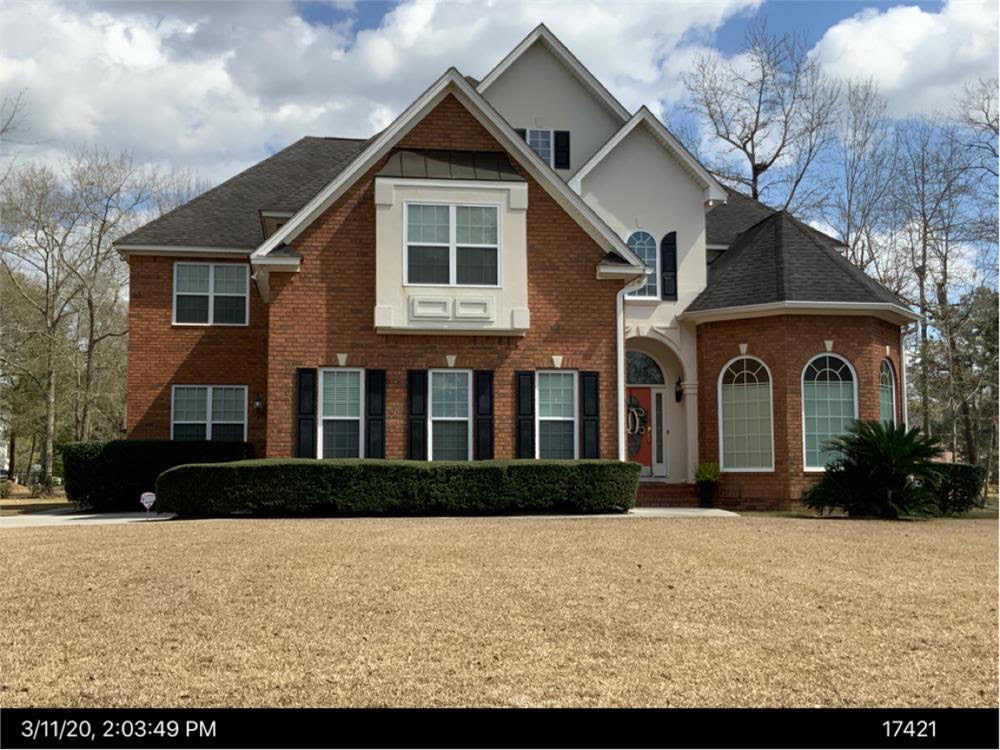
The Cherokee Street property has changed hands eight times since 2000. The newest owner and DEMO 200 applicant also owns a 4,740 square foot home (below) in Effingham County. The county’s combined appraisal value of the property and home is $459,000.
PROFITING FROM REDUCED TAXES
As reported in Homes Demolished Under Demo 200, another benefit of the program is a reduced tax burden for participants, especially those who choose for their lots to remain vacant. Instead of paying taxes on improvements and land, only land is taxed after demolition. This is an incentive for speculation, being that the lots are kept at reduced tax rates with the expectation of rising property values.
In the first year alone, the savings from reduced taxes can more than offset the participant’s $200 demolition cost. After that, the reduced tax burden is clear profit.
For example, one property on northeast Horry Street had a pre-demolition tax bill of $614 and a post demolition tax bill of $211. The owners realized a $203 profit in the first year. Since the lot remains vacant, the owner has realized an additional annual profit of $403 per year.
PROFITING FROM THE SYSTEM
During the April 17th tour, Aiken resident Lisa Smith asked:
“Can an investor profit from the city paying for the demolition and still own and control the property.”
According to the meeting minutes, the answer was contradictory. On the one hand, one program administrator stated, “We have not found that to be the case.”
Another staffer stated, “In the seven years that he has been working the program, he has not run into” the issue of millionaires taking advantage of the program.
On the other hand, staffers admitted the “City does not pull financial records,” and financial means are “not even considered.” All that matters for applicants, wealthy or poor, is that the structure qualifies as substandard.
At no time did officials acknowledge that reduced tax burdens can also provide a incentive for demolition. In other words, the DEMO 200 ordinance is so vague and subject to interpretation that opportunities for abuse are built into the system.
Mayor Osbon acknowledges that abuse is possible and should be curtailed. However, no effort to prevent abuse for residential demolition applicant was taken when the DEMO 200 ordinance was amended in 2020.
The lack of guidance from elected officials to put into effect more definitive qualification criteria, and measures to prevent exploitation for profit, has left the program open to abuse. Whether any measures will be pursued before the current suspension is lifted has not been openly discussed in the past five months.
(Author’s Note: A more detailed version of this information was provided by the author via email to Aiken City Manager Stuart Bedenbaugh, Mayor Rick Osbon, and Aiken City Council two months ago. There was no reply or acknowledgement of the email.)
FOOTNOTES.
(1) The commercial property program put into effect in 2020 is more restrictive. Participants must own the property for at least two years and remit a $2,000 fee for demolition costs up to $20,000. The City “loans” the remainder of the costs at zero percent interest, and the owner is forgiven the loan at a rate of 25% per year for four years. If the owner sells within a four year period the pro-rated demolition costs must be paid to the city.
(2) The work session was not announced at Council’s April 10th meeting. City officials chose word of mouth notifications days in advance to notify select “stakeholders,” but not the general public. Several people on the city’s public meeting notification program were removed from the email list. Six citizens still managed to attend.
Five Council members attended. Only Councilwoman Andrea Gregory and Councilman Ed Woltz (recovering from surgery) were absent. Ms. Gregory has missed both special work sessions held this year, and four of twenty two Council meetings in the past year.
(3) The general public was invisible in the Aiken Standard’s May 2nd story. Neither the presence of citizens on the tour nor any of their questions or comments were noted. City Council was given full credit for requesting a suspension of the program, while citizen demands for a review, suspension, and public hearing went unreported.
(4) Example: In response to a 2022 FOIA request for “the DEMO 200 application submitted in September 2022 for 327 Chesterfield Street, N. , and all DEMO applications from November 23, 2020 to November 22, 2022,” the City of Aiken only provided the Demolition Permit application from the demolition contractor, not the property owner’s application nor any record of their request for participation.
This information was first reported in “City of Aiken Demolition Index.”